

Trains from Leuven to Aachenfrom $ 9.88
Trains from Leuven to Aachen
Buy train tickets from Leuven to Aachen
Traveling by train from Leuven to Aachen is an easy and comfortable journey. RailClick is the best way to travel Europe by train.
Leuven: Places to see
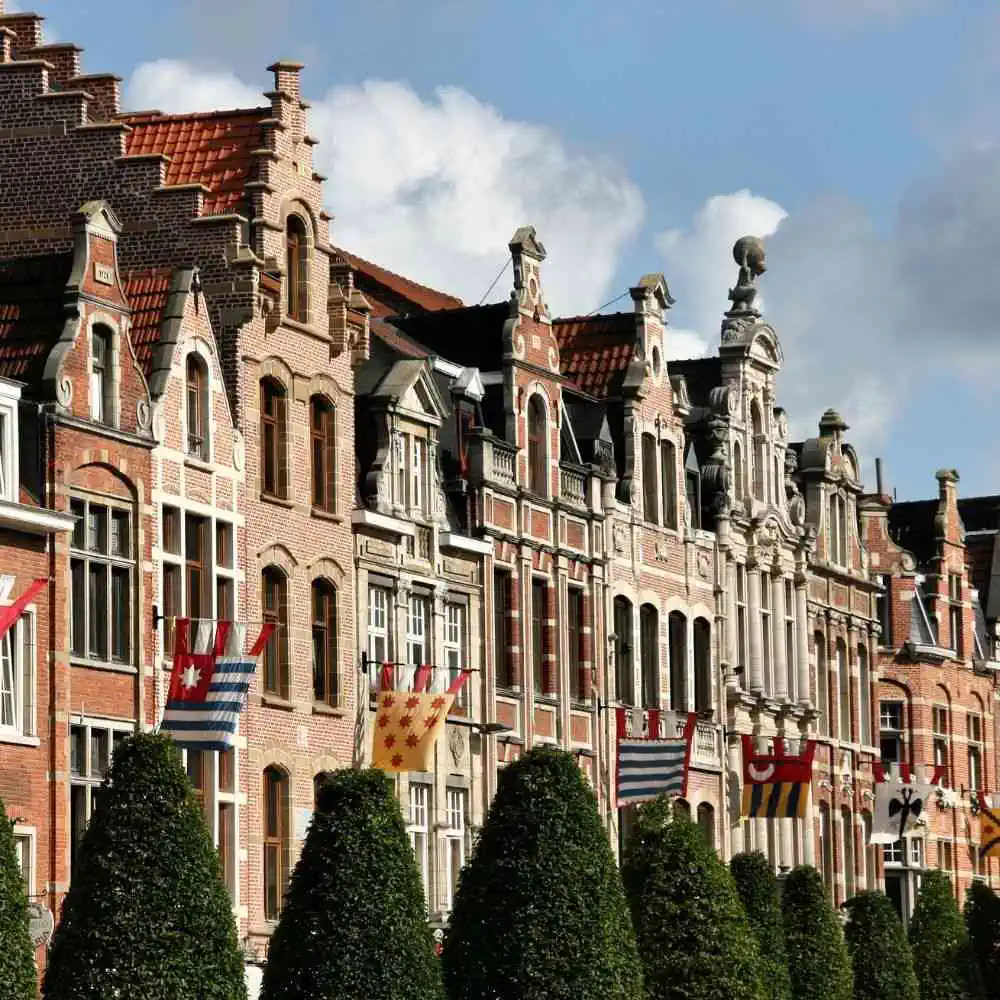
Welcome to Leuven! One of the oldest cities in Belgium, Leuven is brimming with historical and architectural sites to explore. From grand old cathedrals to centuries-old university campuses, there’s plenty to see in this charming city. Here are some highlights:
The Town Hall: Dating back to 1448, the iconic Town Hall of Leuven is one of the city’s most important landmarks. Its striking Flemish Gothic architecture and unique Baroque bell tower make it a sight to behold, while its inner courtyard and ornate furnishings make it a great spot to explore. Located at Grote Markt 9, the Town Hall is open daily from 10am to 5pm, with an entrance fee of €5. Insider tip: check out the amazing views of the city atop the bell tower!
St. Peter's Church: This 13th century Gothic church is one of Leuven's oldest and most beautiful landmarks. Its stained glass windows, impressive architecture, and intricately decorated ceiling are sure to take your breath away. Located in the heart of the city at the Grote Markt, St. Peter's is open daily from 9am to 6pm. Entrance is free.
The Leuven University Library: This UNESCO World Heritage Site is home to the world's largest historic university library, with a collection of over 1 million books. Admire the stunning 16th century architecture of the library, as well as its beautiful main reading room, with its wooden walls and stained glass windows. Located at Ladeuze Vleugel, the library is open from Monday to Friday from 8am to 7pm and from Saturday to Sunday from 10am to 6pm. Entrance is free.
M - Museum: This modern museum has plenty to offer, with its collection of contemporary art, archaeological finds, and historical artifacts. Located in the center of the city at Vesten, the museum is open from Tuesday to Sunday from 9am to 5pm, with an entrance fee of €10.
St. James' Church: The intricately decorated interior of this magnificent medieval church make it a must-see in Leuven. Located at Sint-Jacobsstraat 37, the church is open on weekdays from 9am to 5pm, with an entrance fee of €2.
Brabanthal Leuven: This popular event space is the perfect spot for a night out. Located in the heart of town at Brabanstrop, it is open daily from 10am to 11pm, with no entrance fee.
The Leuven Market: The perfect spot to pick up some unique gifts or souvenirs, the Leuven Market has it all. Here you will find an array of fresh fruits and vegetables, flowers, cheese, meats, baked goods, and handmade crafts. Located at Sint-Pietersplein, the market is open on weekdays and Saturdays from 8am to 6pm, and on Sundays from 9am to 6pm.
Leuven is truly a sight to behold and there is no shortage of things to explore. From grand old cathedrals and university libraries to bustling markets and vibrant entertainment venues, there’s something for everyone in Leuven. So, don’t miss out and start planning your trip today!
Aachen: Places to see
Aachen is a city in Germany that has a rich cultural and historical heritage. Located in North Rhine-Westphalia, this former coronation site of the Holy Roman Empire was named the European Capital of Culture in the year 2006. With its breathtaking architecture, Aachen is known for its majestic churches and palaces. In addition to visits to famous sites, Aachen offers a range of delicious German dishes, from spaetzle to schnitzel. Here are some of the must-visit historical and architectural sites in Aachen, along with the food that one must savor while visiting this delightful German city.
Aachen Cathedral: Aachen Cathedral is a stunning 12th-century Roman Catholic church located within the city center of Aachen. This UNESCO World Heritage Site is a must-visit destination, with its intricate Gothic stained glass windows and royal chapel. Hours are Monday to Saturday from 10am to 5pm. Entrance fees are € 8 for adults and € 4 for children. Don't forget to visit the treasury, where one can find significant artifacts from the coronation of Charlemagne.
Aachen City Hall: Aachen City Hall is a magnificent building in the city center of Aachen, built in the latter part of the 19th century. This Baroque-style building is a must-visit attraction, decorated with the coats-of-arms of historical German rulers. The City Hall is open from 9am to 5pm, and admission is free. Make sure to take a tour to explore the intricate details of the frescos and stained glass windows that line the corridors of this beautiful building.
Elisenbrunnen Fountain: Elisenbrunnen Fountain is a notable landmark in the city, known for its bubbling mineral water. Dating back to the 18th century, this fountain is a popular site with both locals and visitors alike. The fountain is located in the middle of the old town and is open 24 hours. Entrance is free and people flock to this spot for its therapeutic mineral water.
Charlemagne’s throne: Charlemagne's throne is one of the most significant attractions in Aachen. Located in the Aachen Cathedral, this coronation seat was used by the Holy Roman Empire rulers for the ceremony. Visitors can explore the throne at the cathedral, with its elaborate carvings and intricate detailing. The throne is accessible to visitors on all days, and the entrance fee for the cathedral also covers the cost of visiting the throne.
Rathauspark: Rathauspark is a quaint park located in the heart of Aachen. This park is home to the Aachen City Hall and provides a tranquil atmosphere for visitors. The park is open from 9am to 5pm, and admission is free. Visitors can relax in the shade of the park's many trees and admire the flower beds and ponds located here.
Must-try food: Aachen's restaurants provide a range of delicious German dishes and homemade specialties. The city is known for its spaetzle, a hearty noodle dish, and its schnitzel, a fried pork cutlet. Enjoy a hearty meal of sausage and sauerkraut, along with a pint of beer. The local pastries, such as Aachener Printen, are a great way to finish a meal at the city's many cafes.
Hengebach Castle: Hengebach Castle is an impressive castle located just outside of Aachen. Built in the 14th century, this castle offers stunning views of the city skyline. The castle is open for visitors from 10am to 6pm, and entrance fees are € 8 for adults and € 5 for children. Don't forget to explore the various rooms of the castle and admire the old artifacts that were once owned by German royalty.
Aachen is a perfect destination for travelers and history buffs. With its stunning architecture and delicious food, this city is sure to provide an unforgettable experience. From the illustrious Aachen Cathedral to the awe-inspiring Hengebach Castle, this city is filled with historical and architectural sites that will take the breath away. Be sure to explore all of these must-visit attractions in Aachen and savor the delicious local dishes while you're there.

Leuven: Main train stations
Leuven is a city in Belgium and its main train station is Leuven Station. It is located in the city centre and is one of the most important railway junctions in Belgium, connecting the city with the rest of the country. In Leuven there is also another important train station called Kapel-St-Joost Station.
Leuven Station is located at Kessel-Lo, 3000 Leuven, Belgium. Its opening hours are from 5:00am to 11:30pm and its contact telephone is (+32)(16)75.11.11. It offers ticket sales and ticket validation services, luggage storage and there are shops and places to eat nearby.
Aachen: Main train stations
The city of Aachen in Germany has a main train station called Aachen Hauptbahnhof. The station is the largest and busiest train station in the city, with regular connections to other important local destinations, as well as to major cities in Europe. There are other smaller train stations in Aachen, such as Westbahnhof, Eilendorf and Rott.
Aachen Hauptbahnhof is located at Willy Brand Platz 1, 52064 Aachen, Germany. The station is open 24 hours a day, 7 days a week. Passengers can take advantage of the numerous services offered, such as a ticket office, automatic ticket machines, travel information desk, luggage storage and lockers. The contact telephone number is +49 800 150 70 90.
- Aachen Hbf
- Aachen West
- Aachen Rothe Erde
- Aachen Schanz
- Kohlscheid (De)
Leuven - Aachen: How to get the best deals
Book in Advance:
Just like with airfares, train ticket prices tend to rise as the departure date gets closer. Booking weeks or even months in advance can save you a significant amount.
Travel During Off-Peak Hours:
Avoid traveling during peak times such as weekday mornings and evenings. Opt for midday, late evening, or mid-week rides when there's less demand.
Consider Slower Trains or non direct routes:
Express or high-speed trains might save time, but they're often pricier. Opting for regional or slower services can reduce your fare.
Look for Special Deals and Promotions:
Train operators occasionally have promotions or special deals, especially during off-peak seasons. It's worth signing up for newsletters. Additionally, there are sometimes group or return ticket discounts, so consider these options if they fit your travel plans.
- Contact Us
- About Us


 4.7 Stars | 10000+ Reviews